Views: 0 Author: Site Editor Publish Time: 2026-11-13 Origin: Site
Living in rural or suburban areas often means acting as your own utility manager. You rely heavily on private infrastructure. Among these systems, few are as vital—or as expensive to replace—as a private well pump. Imagine waking up on a busy Tuesday morning, turning on the shower, and being met with a dry, hollow sputter. Homeowners frequently worry about freezing pipes or drought. Yet, one of the most significant and hidden dangers comes directly from the power grid. Sudden electrical fluctuations can silently and irreversibly destroy a well pump motor in a matter of seconds.
Well pump motors are highly sensitive, industrial-grade components submerged deep underground. They are uniquely vulnerable to both sudden power surges and sustained drops in power. When the electrical supply falls out of the optimal operational range, the motor compensates inefficiently. This leads to rapid overheating, melted copper windings, and premature failure. Replacing a deep well pump easily costs thousands of dollars in labor and parts. Therefore, proactive electrical defense is strictly non-negotiable.
Suitability with Proper Sizing: A standard high low voltage protector for home use is highly effective for safeguarding a well pump. The device must be correctly rated for the specific running amperage and high startup current of the pump.
Undervoltage is the Silent Killer: Lightning strikes grab the headlines. However, undervoltage is the most frequent cause of pump motor burnout. A dedicated relay automatically severs the power connection before thermal damage occurs.
Single-Phase Compatibility: The vast majority of residential well pumps operate on single-phase power. They require a compatible protector equipped with an adjustable time-delay function to prevent rapid cycling during grid instability.
Visibility Improves Maintenance: Upgrading to a premium display model allows property owners to monitor real-time electrical data. This makes system troubleshooting significantly easier, faster, and far more accurate.
Recently, water infrastructure analysts have noted a massive shift in residential electrical defense strategies. Aging municipal grids struggle with peak loads. Climate shifts trigger more frequent extreme weather events, leading to unstable power delivery. Consequently, relying solely on traditional breaker panels is no longer sufficient.
Field data shows a rising trend of homeowners abandoning generic whole-house surge strips. Instead, property owners are adopting localized, motor-specific protection relays. This industry pivot highlights a harsh engineering reality. Sustained brownouts kill far more expensive well infrastructure than momentary lightning strikes ever will. Protecting the motor at the circuit level is now considered a best practice among pump installers.
To fully grasp why protective devices are necessary, we must examine the mechanical and financial risks associated with unprotected water systems. The cost of inaction is notoriously steep. Depending on the depth of the well and local labor rates, a full replacement typically ranges from $1,500 to over $3,000. Protecting this investment is simply a matter of basic risk management.
Overvoltage hits when the grid delivers a violent voltage spike. Lightning strikes or transformer failures usually trigger this anomaly. The excess electrical energy converts into heat instantly when a massive surge hits a well pump. The delicate insulation surrounding the motor windings breaks down under this extreme temperature. The result is a catastrophic and immediate short circuit.
Surges are violent. Undervoltage, however, acts as a slow, insidious killer. The grid voltage drops significantly below optimal levels during a brownout. Yet, the pump motor still attempts to perform the exact same mechanical work. It desperately pushes heavy columns of water up the drop pipe. To compensate for the low voltage, the motor draws massive amounts of current. This excessive amperage generates baking heat. It slowly degrades the motor from the inside out, eventually locking the rotor and causing complete mechanical failure.
Power can flicker on and off multiple times within a few seconds during severe weather. This rapid cycling is incredibly dangerous for a well pump. The water column in the pipe begins to fall when power is cut. The pump motor spins down. If electricity is instantly restored before the motor has completely stopped, a massive problem occurs. The sudden torque applied against the reversing water column causes immense mechanical stress. Over time, this violent action snaps the pump shaft or shatters the thrust bearings.
A high low voltage protector for home electrical systems is an automated, intelligent relay. It is installed within a breaker panel to continuously monitor the incoming electrical supply. Traditional circuit breakers only trip when there is an excessive draw of current. This device actively measures the electrical potential in real-time.
The mechanism operates on strict logic. The device is programmed with specific safe operating parameters, featuring high-voltage and low-voltage cutoff limits. The internal contactor instantly opens if the incoming grid power fluctuates outside of this safe window. This action physically disconnects the circuit. Once the grid stabilizes and the voltage returns to the safe range, a countdown timer is initiated. It automatically restores power after the delay period expires.
Many people mistakenly believe a standard surge strip offers complete protection. A basic surge protector utilizes components to absorb high-voltage spikes, but it does absolutely nothing to detect or react to low voltage. In contrast, integrating a dedicated voltage protector directly into the panel physically severs the line. This actively safeguards the equipment against both high spikes and damaging brownouts.
To understand the specific advantages, reviewing a direct comparison of protection methods is helpful.
Protection Feature | Standard Surge Strip | Dedicated Voltage Protector |
|---|---|---|
Overvoltage Defense | Yes, absorbs minor spikes | Yes, physically disconnects circuit |
Undervoltage Defense | No protection | Yes, active monitoring and cutoff |
Rapid Cycling Prevention | No protection | Yes, adjustable recovery time delay |
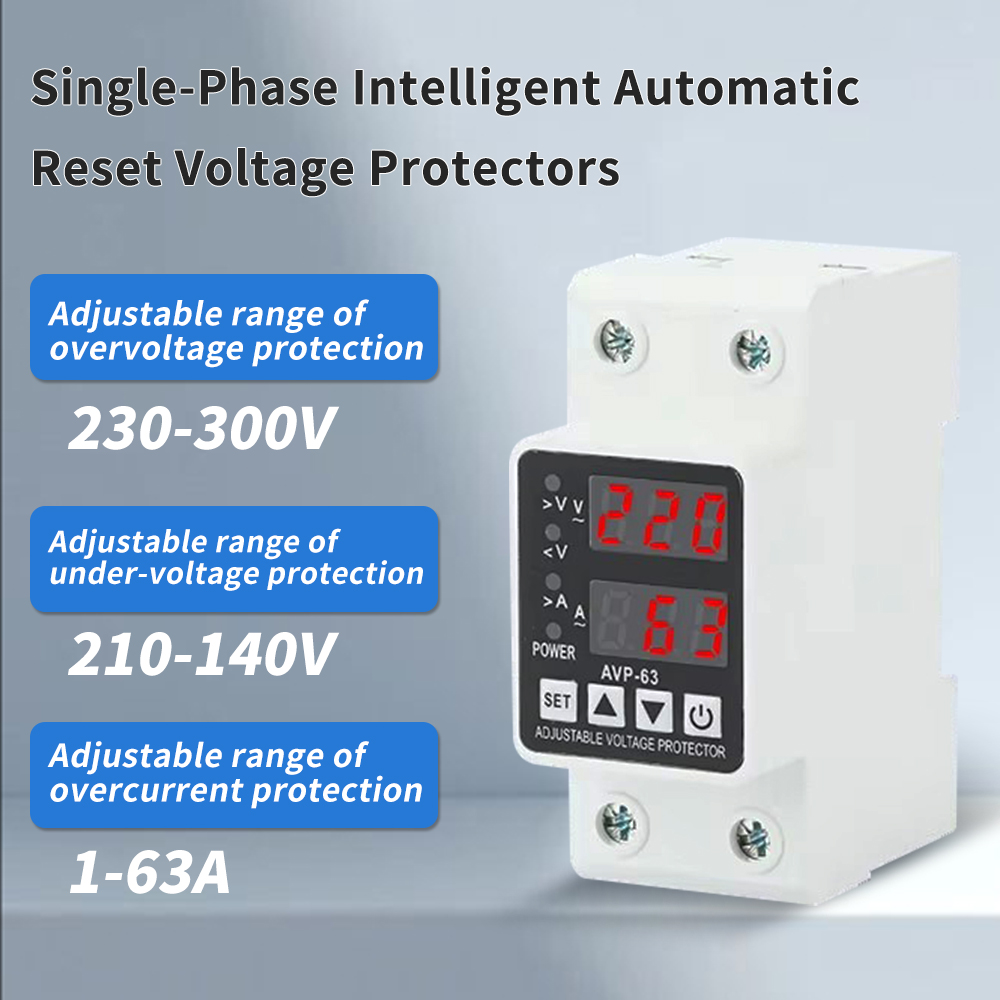
Load Capacity | Low, typically 15A max | High, up to 63A for motor inrush |
Not all protection devices are manufactured equally. Generic settings fail when safeguarding a heavy inductive load. You need exact parameters. A robust single phase overvoltage protector ensures that your specific motor requirements are met accurately.
Electric motors require a massive surge of energy to start spinning. This inrush current can be three to four times higher than the normal running current. A one horsepower pump might run at 8 amps but spike to 35 amps on startup. The relay must handle this inrush safely. Opting for a device rated at 40A or 63A is mandatory. This ensures the internal contacts do not weld together under heavy switching loads.
Factory default settings rarely match specific pump tolerances. A high-quality protector must allow the user to manually program the exact cutoff limits. Look for units that allow overvoltage adjustments between 230V and 300V. Similarly, you need the ability to set undervoltage action ranges from 140V to 210V. This precise tuning keeps the pump within the manufacturer's safe operating window.
This is arguably the most critical feature for well pump applications. Rapid cycling destroys bearings. The protector must feature an adjustable recovery delay timer. Premium models allow adjustments from 1 to 500 seconds. Setting this timer between 180 and 300 seconds ensures the pump remains safely offline until the grid has been stable for several minutes.
Upgrading to a premium model is the logical choice for property owners looking for the highest level of protection and system visibility. Installing a three display overvoltage and undervoltage protector transforms a simple safety relay into a powerful diagnostic tool.
Standard protectors often rely on basic indicator lights, such as a simple green light for normal operation and red for a fault. These lights offer zero context. A three-display model provides vivid digital readouts. It shows the real-time incoming grid voltage, the real-time current being drawn by the appliance, and specific fault codes indicating exactly why the device tripped.
This level of visibility is invaluable for well pump maintenance. The digital display instantly narrows down the problem if you turn on your tap and have no water. You immediately know the utility grid is experiencing a brownout if the screen flashes 190V. Conversely, what if the voltage is normal, but the amperage display shows the pump pulling 25 amps continuously when it normally draws 8 amps? You know the pump motor is physically struggling. This high current draw points to a jammed impeller or failing bearings. You can call a technician before the motor catches fire.
Working with 240V electrical panels is inherently dangerous. It carries a risk of severe injury or fatal electrical shock. The following is an overview of the process for informational purposes. Homeowners must hire a licensed and insured electrician to perform the installation in accordance with local electrical codes.
A dedicated voltage protector is typically installed inside the main breaker box or within a subpanel located in the pump house. The device is designed to snap cleanly onto a standard 35mm DIN rail. It is wired in series. The power flows from the dedicated well pump circuit breaker, directly into the voltage protector, and then out to the pressure switch and pump control box.
The protector must be programmed once the electrician has safely wired the device and restored power. The setup process involves navigating the digital menu to set three core parameters:
Set the High-Voltage Cutoff: Usually programmed to roughly ten percent above the nominal voltage. A common setting for a 240V pump is 260V to 265V.
Set the Low-Voltage Cutoff: Programmed to roughly ten percent below the nominal voltage. A standard setting for a 240V pump is 210V to 215V.
Set the Recovery Delay Timer: This must be set to a minimum of 180 to 300 seconds. This crucial pause allows the pump motor to cool and water pressure to equalize after a grid fault.
Your private well pump represents a massive financial investment. It is the absolute lifeline of your home's plumbing system. Relying on an unstable, aging power grid to deliver perfect electricity day in and day out is a dangerous gamble. It eventually leads to burned-out motors and expensive emergency plumbing calls.
A high low voltage protector prevents this damage proactively. The relay acts as a tireless guardian for your water system by effectively blocking electrical surges and automatically disconnecting during dangerous brownouts. Always ensure you select a properly sized, single-phase model featuring an adjustable time delay. This prevents rapid cycling from destroying your equipment.
Take the time to review your electrical panel setup today. Consult with a licensed pump technician or electrician to ensure proper installation. Explore the professional-grade protection solutions at People Elect to find the exact relay matched to your pump's specifications, and secure your home's water supply long before the next inevitable grid failure strikes.
No. Well pumps are hardwired directly into your electrical panel and draw massive amounts of current. This heavy load would instantly melt a standard power strip. Furthermore, you need a heavy-duty, panel-mounted voltage protector to actively disconnect the circuit during brownouts. Traditional surge strips are completely incapable of performing this function.
A 1 HP pump draws about 8 to 10 amps while running normally. However, it can draw 30 or more amps during its initial split-second startup phase. A 40A or 63A single-phase overvoltage protector is generally recommended. This sizing handles the high inrush current safely without tripping or damaging the internal contactors over time.
No. A voltage protector only monitors the quality of the electricity coming from the utility grid. To protect against a dry well scenario, you need to install a specific pump control box featuring under-load protection, or utilize a physical float switch inside the well casing.
The pump motor is still spinning down and heavy water is falling back down the drop pipe if the power flickers out and comes right back on. Hitting the motor with power immediately can snap the drive shaft or fry the windings due to the immense opposing torque. A delay allows the motor to stop completely and the water pressure to equalize before safely restarting.
Yes. The ability to see exactly how many amps your pump is drawing in real-time is invaluable for a relatively small increase in price. It helps you diagnose a failing pump bearing, a jammed impeller, or a grid issue instantly. This catches mechanical strain early, potentially saving you from a complete system breakdown.
For most residential single-phase pumps under 2 HP, a high-quality 63A protector handles the load directly without issue. The internal relays are robust enough for standard residential cycling. However, for larger commercial pumps or agricultural irrigation systems, wiring the protector to trigger a heavy-duty external contactor is highly recommended to extend the lifespan of the switching components.
Industry standards dictate a minimum delay of three minutes, which equates to 180 seconds. Many seasoned pump installers prefer setting the delay to five minutes. This extended pause guarantees that the water column has fully settled and the motor has shed excess heat before attempting a restart after a power anomaly.